
What if there were one single approach to education that could boost academic performance, nurture empathy, and build a sense of community among your students?
If we told you that there was such an approach, you'd probably laugh in our faces.
But believe it or not, there is one way to promote all of these benefits in your classroom, along with countless others: inclusivity.
The benefits of inclusive education reach far and wide, and affect not only what goes on inside your school but also extends to the larger community.
You've likely heard the term thrown around in your educational circles, and you're probably aware of what it means and how to foster it. But you might not be sure exactly why it's so important.
In this post, we'll cover the principles of inclusive education, why inclusivity is such a boon, and how you can make it work in your classroom.
What is Inclusive Education?

Inclusive education isn't about fitting students with disabilities into an existing classroom model. Instead, it's about redesigning the classroom model to make sure every student—regardless of ability, language, or background—has equal opportunities to learn and participate.
This means creating spaces where students with disabilities learn alongside their peers without being segregated, making sure everyone has access to extracurricular activities, and fostering environments where diversity is celebrated. It's not just accommodation. It's integration with purpose.
At its core, inclusive education operates on four key principles:
- Equality and Diversity: A classroom should reflect the diversity of the community it serves, allowing students from all backgrounds to feel seen and valued.
- Collaboration and Partnership: Teachers, parents, and external specialists work together to provide the right resources and support for students.
- Access and Participation: Every student should have access to the same curriculum and opportunities, tailored to their unique needs.
- Empowerment and Autonomy: Students are given tools to succeed and are encouraged to take ownership of their learning.
Now that we've defined inclusive education, let's talk about why it's so beneficial—not just for students with disabilities, but for the entire classroom.
10 Benefits of Inclusive Education
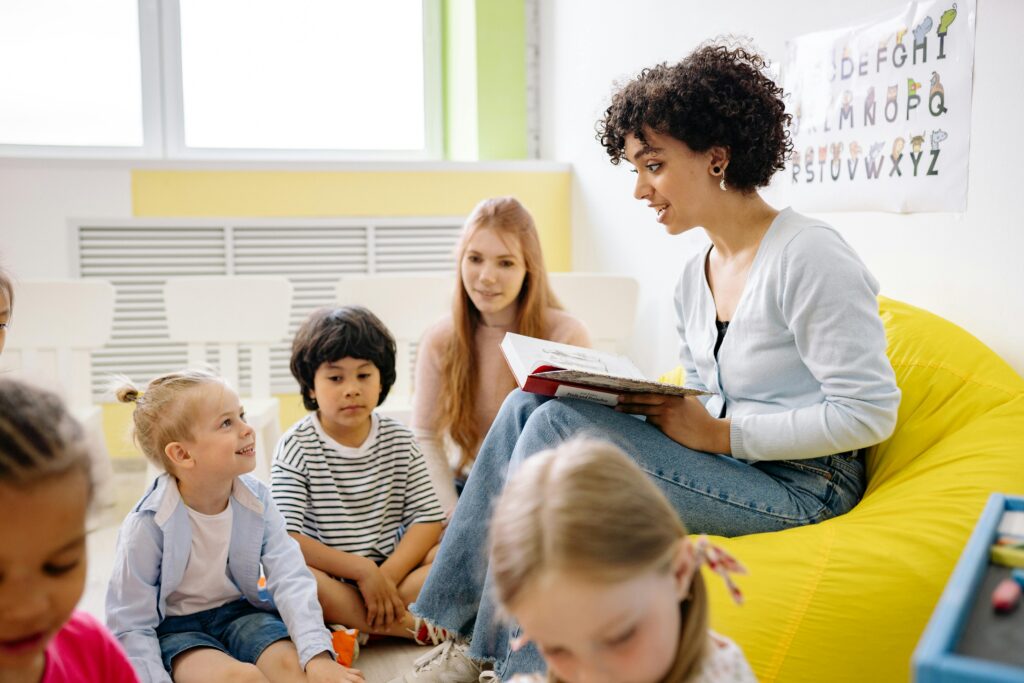
If you're skeptical (or perhaps just not sure if adding "inclusive practices" to your already overflowing lesson plans is worth the effort), let us share some of the mind blowing benefits of inclusive education.
1. Promote Social Development
Research consistently shows that inclusive classrooms help students develop stronger friendships and social skills. When students with different needs and abilities share the same space, they learn to empathize, collaborate, and connect in meaningful ways. The result? A classroom culture where everyone belongs.
2. Provide New Learning Opportunities
Inclusive education fosters creativity, both in teachers and students. When you mix standard and differentiated instruction, you naturally introduce diverse learning strategies. For students, this means exposure to new problem-solving approaches, communication styles, and ways of thinking.
3. Promotion of Individuality
Every student is unique, and inclusive education shines a light on that individuality rather than conforming kids to a single mold. It celebrates strengths while addressing challenges, preparing students for the beautifully diverse world beyond the classroom walls.
4. Improved Academic Performance
Here's a fact that should make you sit up and take notice: students in inclusive classrooms consistently outperform those in segregated environments academically. This applies to students with disabilities and their peers, thanks to effective teaching practices like differentiated instruction and collaborative learning.
5. Fewer School Absences
When students feel included and valued, they're more likely to show up. Inclusive classrooms create an environment where students actually want to be. And really, don't we all perform better when we feel like we belong?
6. Less Disruptive Behavior
Students in inclusive settings demonstrate improved classroom behavior. It might sound counterintuitive, but a welcoming, well-structured learning environment often reduces outbursts or attention-seeking behaviors.
7. Increased Empathy and Compassion
One of the most beautiful perks of inclusion is the deep empathy it fosters. Students who learn alongside peers with diverse needs develop a broader understanding of the world—and kinder hearts to match.
8. Education is Focused on Ability, Not Disability
An inclusive classroom isn't about what a student can't do—it's about what they can. And this shift in perspective isn't just empowering for the students. It's a revelation for the teacher, too.
9. Improved Communication Skills
Students communicate in different ways. Whether it's adapting to a peer who uses assistive technology or learning a classmate's unspoken cues, kids in inclusive classrooms naturally become better listeners and communicators.
10. Increased Confidence
Imagine the boost in self-esteem students feel when they realize they're capable of learning and succeeding—just like everyone else. Inclusion opens the door for kids to see their own potential and chase it with confidence.
Strategies to Promote Inclusion in Your Classroom

Now that you're on board with the why, you're probably wondering about the how. Good news! Creating an inclusive classroom isn't as complicated as it sounds. It takes thought, commitment, and a touch of creativity, but you don't need to reinvent the wheel.
Identify Barriers to Inclusion
Take a look at your classroom and identify what might inadvertently exclude some students. Is it physical space? Language? Rigid teaching methods? Pinpoint the obstacles, then break them down one at a time.
Provide Resources and Support
Every great teacher has a toolbox. For inclusive education, that toolbox includes additional resources like assistive technology, flexible seating, and visual aids. Remember, it's okay to ask for help—advocate for the support you and your students need.
Encourage Participation
Ensure every student has opportunities to participate in meaningful ways. Participation doesn't always mean class discussions or group projects. Find creative ways for quieter or nonverbal students to engage.
Consider Universal Design for Learning (UDL)
If you really want to tap into the benefits of inclusive education, consider Universal Design for Learning. UDL is all about offering multiple ways for students to learn and demonstrate understanding. Think video assignments instead of essays or hands-on projects for kinesthetic learners. It's about flexibility, not lowering standards.
Incorporate Differentiated Instruction
Differentiated instruction recognizes that one size doesn't fit all. Tailor lessons to student needs by varying the content, process, or product to ensure everyone can access the curriculum.
Try Peer Mentoring
Pairing students together for support fosters collaboration and builds strong connections. Peer mentoring works both ways—mentors gain leadership skills, and mentees receive guidance in a supportive environment.
Honor IEP Plans
If a student has an Individualized Education Program (IEP), it's your north star for inclusion. Collaborate with special education teachers, parents, and the student to implement the accommodations and goals outlined in the plan.
Final Thoughts
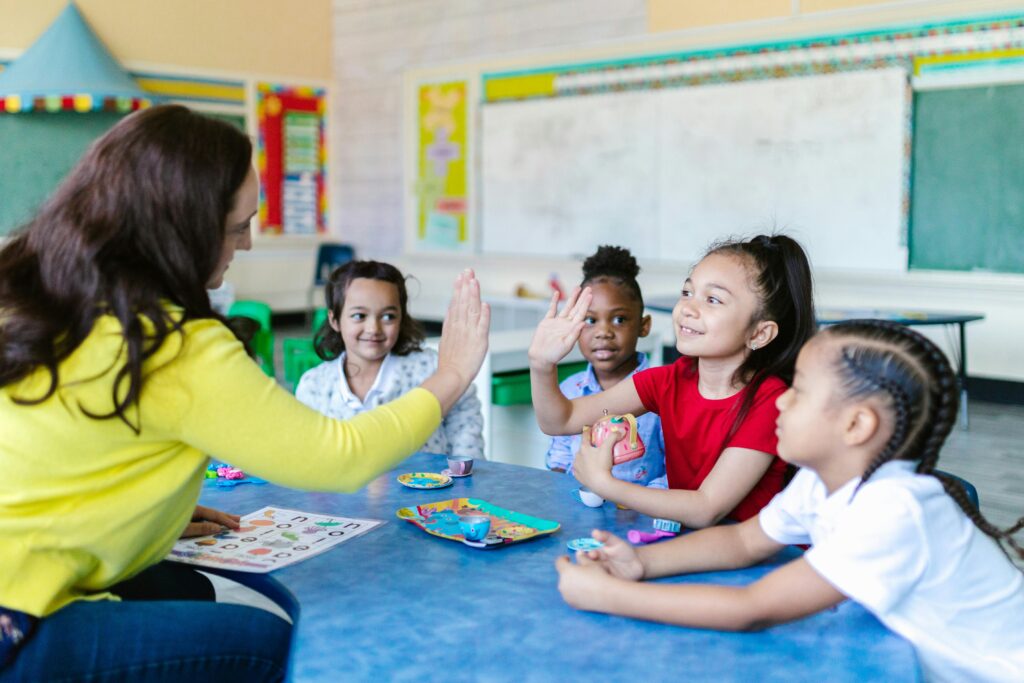
Inclusive education isn't just a concept or policy—it's a movement. It's a way of acknowledging that every child in your classroom has value, potential, and a right to learn alongside their peers.
Consider this your call to action: reflect on how the benefits of inclusive education can transform not only your students' educational experiences but also your professional perspective.
Take the first step, no matter how small, toward implementing even one inclusive practice. Who knows? You might just spark a revolution in your school—and your heart.
Looking for more resources to support your teaching practice? Explore Stanfield Home for comprehensive curriculum options, or discover how critical thinking strategies can enhance your inclusive classroom.
FAQ
What are the benefits of inclusion in education?
Inclusive education fosters academic growth, social development, and stronger communication skills while promoting empathy and reducing barriers for all students.
What is the best example for inclusive education?
A truly inclusive classroom provides access, participation, and tailored support for all students, ensuring they feel valued and capable of succeeding.
What are the biggest challenges in inclusive education?
Major challenges include a lack of training, resources, and support for educators, as well as resistance to change among staff and administrators.
What are the benefits of a culturally inclusive classroom?
Culturally inclusive classrooms promote diversity, encourage mutual respect, and create a richer learning environment by incorporating multiple perspectives.
Get a free Circles sample lesson
Download a complete lesson from our Circles social-boundaries curriculum — free PDF, no strings. We'll email you the link.


