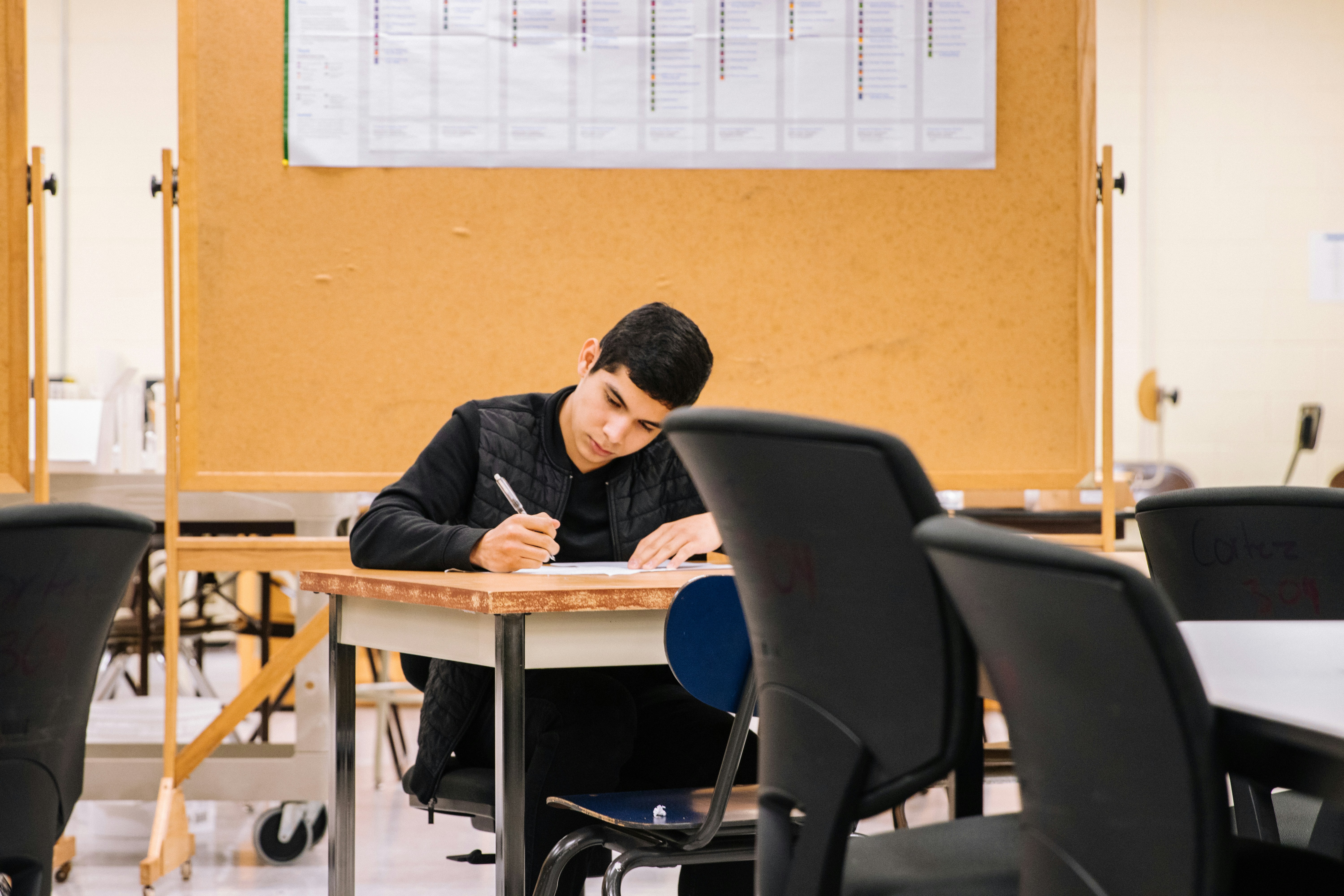
Imagine walking into a classroom where students aren't just passively absorbing information—they're actively managing their time, organizing their materials, and regulating their emotions with confidence. What if the secret to this transformation isn't a new curriculum or teaching method, but the physical design of your classroom itself?
Recent research confirms what many educators have suspected: executive function (EF) skills are among the strongest predictors of academic achievement. A 2023 meta-analysis published in the Journal of Educational Psychology found that students with well-developed executive function skills outperform their peers academically, regardless of IQ. More concerning, longitudinal studies show that early executive function difficulties predict not only academic struggles but also challenges with employment and social relationships in adulthood.
The good news? Your classroom setup can be a powerful tool for supporting and developing these essential skills. Let's explore how intentional design choices can transform your learning environment into an executive function-friendly space.
Understanding Executive Function: The Brain's Command Center
Before redesigning your classroom, it's essential to understand what we're supporting. Executive function refers to a set of cognitive processes that enable us to plan, focus attention, remember instructions, and successfully manage multiple tasks. Think of these skills as your brain's air traffic control system—coordinating incoming information, managing priorities, and directing responses.
According to the Center on the Developing Child at Harvard University, executive function skills develop gradually throughout childhood and adolescence, with the most rapid growth occurring between ages 3 and 5, then again during the teenage years. However, these skills don't develop automatically—they require practice, support, and the right environment.
Core Executive Function Skills Students Need
Research identifies several key executive function components that directly impact learning:
- Working Memory: The ability to hold and manipulate information in mind for brief periods. Students use this when solving multi-step math problems or following complex instructions.
- Inhibitory Control: The capacity to resist impulses and distractions. This helps students raise their hand instead of shouting out or stay focused during independent work time.
- Cognitive Flexibility: The skill of adjusting to new demands, rules, or priorities. Students need this when switching between subjects or adapting to unexpected changes in routine.
- Planning and Organization: The ability to set goals, identify necessary steps, and sequence actions appropriately. Essential for completing long-term projects and managing materials.
- Time Management: Understanding how long tasks take and allocating time accordingly. This prevents the "I thought I had more time" phenomenon.
- Emotional Regulation: Managing feelings so they don't interfere with learning. Students with strong emotional regulation can handle frustration during challenging tasks.
- Self-Monitoring: The metacognitive ability to track one's own performance and adjust strategies as needed. This is what separates strategic learners from those who repeat ineffective approaches.
- Task Initiation: The capacity to begin tasks independently without procrastination. Many students know what to do but struggle with getting started.
Research-Backed Classroom Setup Strategies
Now that we understand what executive function encompasses, let's explore specific, evidence-based modifications you can make to your classroom environment.
1. Reimagine Your Seating Arrangements
Traditional rows of desks may create orderly lines, but they don't support the diverse needs of today's learners. Research from the Edutopia Research Center suggests that flexible seating options can improve attention span and reduce behavioral disruptions by up to 12%.
Consider incorporating:
- Stability Balls: Help students with attention challenges by providing proprioceptive input while sitting. The gentle movement activates the vestibular system, which can enhance focus.
- Standing Desks: Allow students who struggle with prolonged sitting to work at their optimal energy level. Research shows standing desks can increase on-task behavior by 7-15%.
- Floor Cushions and Lap Desks: Provide a calming alternative for students who need a different sensory experience. Some learners focus better when working closer to the ground.
- Wobble Stools: Offer controlled movement without the unpredictability of a ball. These work well for students who need movement but find balls too distracting.
- Traditional Desks with Fidget Tools: Don't eliminate standard seating entirely—some students focus best in conventional setups. The key is offering choice.
2. Make Time Visible and Tangible
Time blindness—difficulty perceiving the passage of time—is a common executive function challenge. Students may genuinely not realize they've been working on one problem for ten minutes or that only five minutes remain before a transition.
Support time awareness by:
- Installing Large, Analog Clocks: Digital clocks show numbers, but analog clocks visually represent time's passage. Place them at student eye level in multiple locations around the room.
- Using Visual Timers: Color-coded timers that show the "shrinking" of time remaining are particularly effective. The Time Timer brand is popular because the red disk visually disappears as time elapses.
- Creating Time Anchors: Label specific times on your schedule with meaningful activities ("10:30 = Snack Time"). This helps students develop internal time sense.
- Implementing Countdown Sequences: For transitions, use music or verbal countdowns ("We'll clean up in 5 minutes... 3 minutes... 1 minute..."). This prepares students cognitively for the upcoming change.
- Teaching Time Estimation: Regularly have students estimate how long tasks will take, then compare estimates to reality. This builds time awareness through experience.
When students can see time, they can manage it—turning an abstract concept into a concrete, visible resource.
3. Provide Appropriate Sensory Supports
Many students with executive function challenges also experience sensory processing differences. What appears to be inattention or defiance may actually be sensory overwhelm or under-stimulation.
Consider these evidence-based sensory supports:
- Noise-Reducing Headphones: Essential for students with auditory processing sensitivities. Keep 3-4 pairs available for anyone who needs to block out classroom noise during independent work. Look for comfortable, adjustable options that students won't avoid wearing.
- Fidget Tools: Contrary to common assumptions, research supports fidgeting as a focus strategy for many learners. Provide discrete, quiet fidgets like therapy putty, stress balls, or textured stones. Avoid noisy or visually distracting options that may disrupt others.
- Weighted Lap Pads: Provide calming deep pressure input that can help students regulate their arousal level. These are particularly useful during seated instruction or testing.
- Chewing Options: For students who benefit from oral motor input, consider allowing sugar-free gum or providing chewable pencil toppers or jewelry designed for this purpose.
- Movement Opportunities: Research from the CDC confirms that physical activity improves executive function. Build in structured movement breaks every 20-30 minutes.
4. Design Visual Systems That Reduce Cognitive Load
Every time students need to remember a procedure, rule, or routine, they're using precious working memory capacity. Visual supports externalize this information, freeing up cognitive resources for learning.
Implement these visual support systems:
- Consistent Daily Schedule: Post a visual schedule that includes both times and pictures/icons. For elementary students, use a schedule that can be updated throughout the day (flip charts or magnetic pieces work well). Middle and high school students benefit from schedules that span the entire week.
- Procedure Charts: Break down multi-step routines into visual step-by-step guides. Create charts for common procedures like entering the classroom, turning in work, getting supplies, and preparing to leave. Use actual photos of your students performing the steps for maximum relevance.
- Classroom Rules with Examples: Rather than just listing rules, create visual representations showing what each rule looks like in practice. Include both examples and non-examples.
- Executive Function Strategy Posters: Display posters that teach specific strategies. For instance, a "What to Do When You're Stuck" poster might include: re-read directions, check an example, ask a neighbor, raise your hand.
- Personal Visual Schedules: Some students need individualized visual supports. Consider providing personal schedules, checklists, or step-by-step guides at their desks.
For more ideas on supporting diverse learners, explore Circles Complete, which includes ready-to-use visual supports for teaching social-emotional concepts.
5. Optimize Lighting for Learning
Lighting significantly impacts attention, mood, and even behavior. Research from 2023 published in Building and Environment found that classroom lighting quality correlates with executive function performance, particularly for students with ADHD or autism.
Lighting strategies include:
- Reduce Fluorescent Glare: If possible, cover harsh overhead fluorescents with fabric diffusers or light filters. Some schools have successfully advocated for LED lighting replacements.
- Maximize Natural Light: Position student work areas near windows when possible. Natural light supports circadian rhythms and reduces eye strain. Use adjustable blinds to control glare.
- Add Task Lighting: Supplement with desk lamps or floor lamps to create zones of focused work. This is particularly helpful for reading areas or test-taking spaces.
- Consider Color Temperature: Cooler light (5000-6500K) promotes alertness and is ideal for morning instruction. Warmer light (2700-3000K) creates calm and works well for reading corners or calm-down areas.
- Create Dimmer Options: Having the ability to dim lights during videos, rest periods, or when students are overstimulated can be tremendously beneficial.
6. Manage Technology Mindfully
Digital devices are powerful learning tools—and powerful distractions. Students with executive function challenges may struggle particularly with digital self-regulation.
Consider these management strategies:
- Phone Storage System: Implement a phone pocket chart or caddy where phones are deposited upon entry and retrieved at dismissal. Make this a non-negotiable routine. Research shows that even having a phone visible (but silenced) reduces cognitive capacity.
- Computer Monitoring Software: Use classroom management tools that allow you to view all screens and restrict access to non-educational sites during work time. This external structure helps students who struggle with inhibitory control.
- Clear Technology Protocols: Post visual reminders about when devices should be open vs. closed, what's acceptable use, and consequences for misuse. The clearer the boundaries, the less working memory students need to devote to figuring out expectations.
- Teach Digital Executive Function: Explicitly instruct students in strategies like closing unnecessary tabs, using website blockers, and setting device-based timers. These are executive function skills that require direct teaching.
For insights on using technology responsibly in instruction, see How Teachers Can Use AI (Responsibly!) in the Classroom.
7. Minimize Visual Clutter
While visual supports are essential, too many competing visual stimuli can overwhelm students with executive function challenges. The goal is strategic, purposeful visual information—not decorative overload.
Apply these decluttering principles:
- The "One In, One Out" Rule: Before adding a new poster or display, remove something. This prevents visual accumulation.
- Organize Supplies Systematically: Use clear bins with labels (both text and pictures). Group similar items together. The easier materials are to locate, the less executive function energy students expend on organization.
- Create Visual Boundaries: Use rugs, tape on the floor, or furniture arrangement to clearly define different zones (whole-group instruction area, small-group workspace, independent reading corner, etc.).
- Rotate Displays Seasonally: Rather than covering every wall surface, rotate materials quarterly. This keeps the environment fresh without overwhelming.
- Maintain Clear Sightlines: Ensure students can see instructional materials and each other without visual obstacles. This supports both attention and classroom community.
8. Control Temperature and Air Quality
Environmental comfort directly affects cognitive function. Students can't focus on learning if they're too hot, too cold, or breathing stuffy air.
While you may have limited control over HVAC systems, try:
- Monitoring Temperature: Keep a thermometer visible and advocate with administration if your room consistently runs too hot or cold. The optimal range for learning is 68-74°F.
- Maximizing Ventilation: Open windows when possible. If air quality is a concern, consider requesting a HEPA air purifier. Good air quality supports attention and reduces fatigue.
- Addressing Individual Needs: Some students may need a desk fan, while others might appreciate a blanket during independent reading. Small accommodations make big differences.
- Strategic Seating: Position students who run warm away from windows in afternoon sun; place students who are often cold away from air vents.
9. Designate Movement and Regulation Spaces
Executive function and movement are intimately connected. Physical activity increases blood flow to the prefrontal cortex—the brain's executive function hub.
Create intentional spaces for:
- Movement Breaks: Designate a corner with yoga mats, a mini trampoline, or simply an open area for stretching. Post a visual menu of movement options students can choose from.
- Calming Down: Establish a calm-down corner with soft seating, breathing exercise posters, sensory bottles, and perhaps a feelings identification chart. Make this a positive, proactive space—not a punishment area.
- Standing and Working: Create a high-top table or counter where students can stand while completing work. This offers movement without leaving their task.
- Brain Break Routines: Schedule regular 2-3 minute movement breaks. These can be as simple as stretching, dancing to one song, or doing jumping jacks. The predictability supports students who need routine.
Movement isn't a reward for good behavior—it's a biological necessity for optimal brain function.
For comprehensive strategies on building students' self-confidence through environmental supports, explore additional resources on creating inclusive classrooms.
10. Maintain a Well-Stocked Supply Station
Running out of basic supplies disrupts workflow and requires executive function skills (planning ahead, remembering materials) that some students are still developing.
Set up a supply station with:
- Basic Materials: Extra pencils, erasers, paper, glue sticks, scissors, highlighters, and any other frequently needed items. Don't make students ask for these—let them access independently.
- Clear Organization: Use labeled containers so students can quickly grab what they need and return items to the correct spot.
- A Sign-Out System (Optional): For more expensive items like calculators or specialty tools, use a simple sign-out clipboard. This teaches responsibility while ensuring access.
- Regular Restocking: Build supply checks into your weekly routine so the station never runs completely empty.
Frequently Asked Questions
How do I know if my classroom modifications are actually helping students' executive function?
Track observable behaviors like task completion rates, time-to-task-initiation, frequency of asking for materials or directions, and behavioral referrals. Consider using a simple weekly self-assessment where students rate their focus, organization, and self-regulation. Compare data from before and after implementing modifications. Additionally, ask students directly what's helping—their insights are often surprisingly accurate.
What if I have limited space or budget for classroom modifications?
Start with free or low-cost changes that offer high impact: reorganize existing furniture, create visual supports with free online tools, establish routines that reduce cognitive load, and maximize natural lighting. Many effective modifications (like a phone collection system or movement break schedule) cost nothing. For seating alternatives, consider asking families to donate old cushions or requesting budget allocation by demonstrating student need through data. Even one or two flexible seating options can make a difference when paired with a rotation system.
How can I help students transition from a structured classroom to less supportive environments?
Explicitly teach students to recognize which environmental supports help them most, then work on strategies to recreate those supports independently. For example, if visual schedules help, teach students to create their own planners. If noise-canceling headphones are essential, help students identify quiet study locations or advocate for accommodations. The goal isn't permanent dependence on external supports, but rather developing metacognitive awareness and self-advocacy skills. Gradually fade supports as students demonstrate increasing independence, and celebrate when they request or create supports for themselves.
What about secondary students—are these strategies appropriate for middle and high school?
Absolutely. While the specifics may differ (high schoolers won't respond to cartoon characters on procedure charts), the underlying principles remain crucial. Adolescent brains are still developing executive function skills well into the twenties. Older students benefit from visible schedules, organized spaces, movement opportunities, and explicit teaching of planning and time management strategies. The key is age-appropriate implementation. For instance, rather than posting a classroom behavior chart, you might display "Academic Success Strategies" or create student-designed infographics about effective study habits.
Should students have input into classroom setup decisions?
Yes! Student voice increases both buy-in and effectiveness. Consider surveying students about what environmental factors help or hinder their learning. Invite students to help design sections of the room or to rotate responsibility for certain environmental aspects (like choosing calming music or organizing supplies). When students have agency over their environment, they develop valuable self-awareness about their learning needs. This is particularly important for adolescents, who are developing independence and may resist supports they perceive as imposed rather than chosen. For more on building student agency, explore strategies for cultivating self-advocacy.
Creating Lasting Change
Transforming your classroom into an executive function-friendly environment isn't a one-time project—it's an ongoing process of observation, adjustment, and refinement. Start with one or two modifications that address your students' most pressing needs, then gradually layer in additional supports as you observe what works.
Remember that environmental modifications are just one piece of the executive function support puzzle. Combine these physical changes with explicit instruction in executive function strategies, consistent routines, and a classroom culture that frames executive function challenges as skills to develop rather than deficits to hide.
The investment you make in creating a thoughtfully designed learning environment pays dividends not only in immediate academic gains but in the lifelong executive function skills your students develop. When you reduce environmental barriers, you enable students to direct their cognitive energy toward learning—which is, after all, why they're in your classroom.
Ready to take your support to the next level? Explore Stanfield Plus and Transitions Complete for comprehensive curricula designed to explicitly teach the life skills and self-regulation strategies that complement an executive function-friendly classroom environment. Together, strategic environmental design and direct skill instruction create powerful opportunities for student growth.
Get a free Circles sample lesson
Download a complete lesson from our Circles social-boundaries curriculum — free PDF, no strings. We'll email you the link.