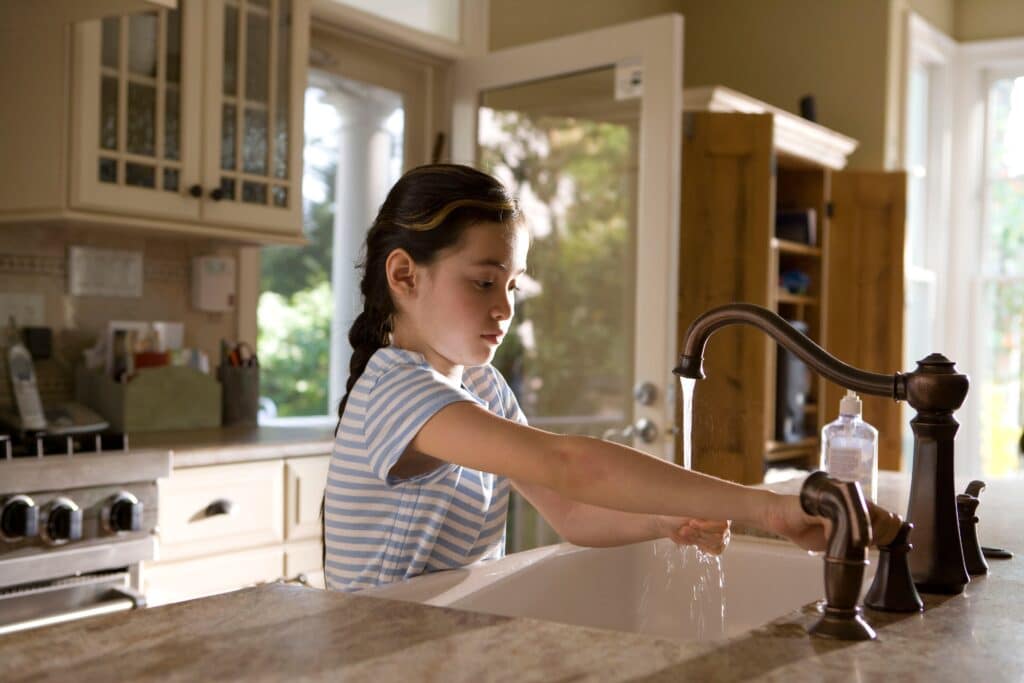
Cleanliness and hygiene are far more than infection control measures. They're foundational life skills that shape how students perceive themselves, how peers and potential employers perceive them, and how successfully they navigate daily life with confidence and dignity.
For special education teachers, teaching these essential life skills extends well beyond curriculum checkboxes — it's about equipping students with tools for independence, health, and social connection that will serve them throughout their lives.
Yet the path forward isn't always straightforward. Sensory processing differences, fine and gross motor challenges, executive function difficulties, and communication barriers can make hygiene instruction complex for both students and educators.
But with evidence-based strategies, individualized approaches, and consistent support, you can make these lessons both accessible and impactful. Let's explore how.
Why Personal Hygiene Education Matters for Students with Disabilities
Consider this scenario: Maya, a middle schooler with autism and fine motor delays, struggles with tasks like buttoning shirts, managing zippers, and coordinating the steps of handwashing. Her difficulties aren't about unwillingness — they're about genuine neurological and physical barriers that make routine self-care overwhelming.
When Maya's teacher introduces adaptive tools — a visual task analysis posted at the sink, soap dispensers requiring less fine motor precision, and a timer with a familiar song — everything changes. Maya begins washing her hands independently. Her confidence soars. She participates more actively in group activities, no longer anxious about hygiene-related social rejection.
This transformation illustrates why hygiene education is never "just about staying clean." It touches every dimension of a student's experience:
Building Self-Confidence and Independence
When students master personal care routines, they experience genuine autonomy. This independence translates to improved self-esteem, reduced reliance on adult support, and preparation for less restrictive environments — whether that's inclusive classrooms, competitive employment, or independent living.
Research published in the Journal of Applied Behavior Analysis demonstrates that students who achieve independence in self-care tasks show measurable improvements in overall adaptive functioning and quality-of-life indicators.
Enabling Positive Social Connections
Personal presentation directly affects peer acceptance. Students who maintain good hygiene face fewer social barriers, making it easier to form and sustain meaningful friendships. A 2023 study in Exceptional Children found that hygiene-related social skills training significantly improved peer interactions and reduced bullying incidents among students with developmental disabilities.
Protecting Physical Health
Consistent hygiene practices reduce illness, which means more instructional time, fewer medical interventions, and better overall health trajectories. The World Health Organization identifies handwashing as one of the most cost-effective interventions for preventing infectious disease — particularly crucial for students with compromised immune systems or complex medical needs.
Personal hygiene education isn't just about health — it's about dignity, belonging, and preparing students for adult life.
Preparing for Adult Outcomes
Workplace readiness, college success, and independent living all require reliable self-care routines. According to recent Department of Labor data, personal presentation and hygiene are among the top soft skills employers identify as essential — yet frequently lacking — in workers with disabilities. Explicit instruction in these areas directly supports long-term employment outcomes.
12 Evidence-Based Strategies for Teaching Cleanliness and Hygiene
Teaching personal hygiene to students with diverse learning needs requires intentional, individualized approaches. Here are twelve research-backed strategies that work across disability categories and age ranges.
1. Implement Visual Supports and Schedules
Visual supports are among the most universally effective instructional tools in special education. For hygiene routines, they provide consistent, language-independent prompts that students can reference independently.
Effective visual supports include:
- Task analyses with photographs or illustrations showing each step of multi-step routines (handwashing, toothbrushing, showering)
- Visual schedules depicting the sequence and timing of daily hygiene tasks
- First-Then boards linking hygiene completion to preferred activities
- Video models showing students themselves or similar peers successfully completing hygiene routines
Research in Focus on Autism and Other Developmental Disabilities (2022) confirms that video modeling combined with visual task analyses significantly improves hygiene skill acquisition and maintenance for students on the autism spectrum.
2. Break Complex Tasks into Manageable Steps
What seems simple to neurotypical adults — washing hands, for example — actually involves 8-12 distinct motor and cognitive steps. Students with intellectual disabilities, executive function challenges, or motor planning difficulties benefit enormously from explicit task breakdown.
Example handwashing task analysis:
- Turn on water to warm temperature
- Wet both hands completely
- Apply one pump of soap
- Rub palms together
- Scrub backs of hands
- Interlace fingers and scrub
- Clean under fingernails
- Rinse all soap off completely
- Turn off water
- Dry hands thoroughly with towel
Use chaining techniques (forward chaining, backward chaining, or total task presentation) based on individual student learning profiles. Track mastery of each step independently before expecting fluent completion of the entire sequence.
3. Use Social Stories and Social Narratives
Social stories — short, personalized narratives describing social situations and appropriate responses — help students understand both the "how" and the "why" of hygiene practices.
Effective hygiene social stories should include perspective-taking elements, sensory descriptions, and cause-effect relationships. Research published in Education and Training in Autism and Developmental Disabilities shows that social stories significantly improve hygiene behavior when paired with visual supports and positive reinforcement.
4. Identify Individualized Hygiene Goals
Not all students need instruction in all hygiene areas simultaneously. Prioritize based on age appropriateness, individual needs, family priorities, and IEP goals.
Essential hygiene skills by domain:
- Hand hygiene: Handwashing technique, frequency, duration (minimum 20 seconds)
- Oral care: Toothbrushing (twice daily), flossing, mouth rinsing, dental appointments
- Bathing/showering: Soap application, shampooing, rinsing, water temperature, appropriate duration
- Hair care: Brushing/combing, washing frequency, styling
- Toileting: Toilet use, wiping technique, hand washing after toileting, menstrual management
- Grooming: Nail care, shaving, deodorant use, skincare routines
- Clothing: Selecting clean clothes, changing clothes daily, recognizing soiled clothing, laundry basics
- Personal space hygiene: Maintaining clean living areas, organizing belongings, changing bedding
5. Employ Multi-Sensory Teaching Approaches
Engaging multiple senses makes hygiene instruction more memorable and accommodates diverse learning styles. Multi-sensory approaches are particularly effective for students with sensory processing differences or those who learn kinesthetically.
Multi-sensory hygiene strategies:
- Tactile: Let students feel different soap textures, water temperatures, towel types
- Olfactory: Use lightly scented products to create positive associations (test for sensitivities first)
- Auditory: Pair handwashing with 20-second songs; use timers with preferred sounds
- Visual: Use colored soap that shows coverage; try UV light demonstrations of handwashing effectiveness
- Proprioceptive: Teach appropriate pressure for toothbrushing and hair brushing
Work with occupational therapists to identify sensory preferences and sensitivities. What works for one student (lavender-scented soap) might trigger sensory defensiveness in another.
6. Implement Systematic Positive Reinforcement
Behavior momentum matters. Positive reinforcement systems dramatically increase hygiene behavior acquisition and maintenance when implemented consistently and individualized effectively.
Effective reinforcement strategies:
- Identify powerful reinforcers through student preference assessments (not adult assumptions)
- Use immediate reinforcement initially, then gradually fade to natural contingencies
- Provide specific praise ("You remembered all the steps for washing your hands!") rather than generic praise ("Good job!")
- Create visual reinforcement systems (token boards, sticker charts) for younger students or those with intellectual disabilities
- Build in natural reinforcers when possible (feeling clean, smelling good, positive peer feedback)
7. Use Video Modeling and Self-Modeling
Video modeling — showing students videos of desired behaviors performed by peers or themselves — is an evidence-based practice with strong research support, particularly for students with autism spectrum disorder.
Create short (1-3 minute) videos showing:
- The student successfully completing the hygiene routine
- A peer model of similar age and ability
- Point-of-view footage showing exactly what the student's hands should do
According to a 2023 meta-analysis in Research in Autism Spectrum Disorders, video modeling interventions showed large effect sizes for teaching daily living skills, including hygiene routines, with particularly strong outcomes when combined with in-vivo practice and reinforcement.
8. Leverage Peer Support and Peer Modeling
Peer-mediated instruction taps into powerful social motivation. When neurotypical peers or slightly more advanced students model and support hygiene routines, both students benefit.
Peer buddy strategies:
- Pair students during handwashing routines, with buddies providing verbal prompts and modeling
- Create "hygiene helper" roles where students remind each other about scheduled hygiene times
- Use peer video models rather than adult models when possible
- Facilitate natural peer feedback ("Your hair looks so nice today!")
Research shows that peer-mediated interventions improve not only target skills but also social relationships and classroom inclusion — creating a positive feedback loop that reinforces hygiene behaviors.
9. Make Environmental Adaptations
The physical environment can either support or undermine hygiene independence. Simple adaptations remove barriers and promote success.
Environmental modifications to consider:
- Adaptive equipment: Electric toothbrushes, long-handled brushes, adapted faucet handles, shower chairs
- Accessibility features: Lowered sinks, grab bars, non-slip mats, lever-style faucets instead of knobs
- Organizational supports: Color-coded towels, labeled toiletry containers, shower caddies with picture labels
- Sensory accommodations: Adjustable lighting, dimmable mirrors, temperature-controlled water, low-noise hand dryers
Consult with occupational and physical therapists to identify appropriate adaptations based on each student's specific motor, sensory, and cognitive profile.
10. Collaborate with Families for Consistency
Hygiene skills develop through repeated practice across settings. Partnership with families ensures that school-based instruction generalizes to home and community environments.
Family collaboration strategies:
- Share visual supports so families can use identical prompts at home
- Provide parent training in prompting techniques, task analysis, and reinforcement strategies
- Create home-school communication systems (hygiene checklists, daily notes) to track progress
- Address cultural considerations regarding hygiene practices, bathing frequency, and grooming norms
- Problem-solve barriers together (financial constraints, sensory issues, time management)
A comprehensive transitions curriculum should include family resources and training components to ensure skill generalization beyond school settings.
11. Teach Through Social Skills Role-Playing
Role-playing creates safe opportunities for students to practice hygiene-related social skills and problem-solving before encountering real-world situations.
Role-play scenarios might include:
- What to do if you notice body odor
- How to excuse yourself to use the restroom in different settings
- What to say if someone comments on your appearance
- How to request hygiene products or assistance when needed
- Navigating public restrooms and unfamiliar hygiene facilities
Combine role-playing with social stories and video modeling for maximum effectiveness. This layered approach addresses both the mechanical skills and the social-emotional dimensions of personal hygiene.
12. Connect with Community Resources
Partnerships with community organizations extend learning beyond the classroom and provide real-world context for hygiene skills.
Community partnership opportunities:
- Dental clinics: School visits from dental hygienists, free dental screenings, toothbrush donations
- Public health departments: Handwashing demonstrations, educational materials, health fairs
- Pharmacies: Field trips to learn about personal care products, appropriate selection
- Gyms or recreation centers: Locker room orientation, public shower practice in supported settings
These authentic learning experiences help students understand how hygiene practices function in adult contexts — employment settings, college dormitories, community recreation facilities, and independent living situations.
Addressing Individual Needs and Common Challenges
No single approach works for all students. Successful hygiene instruction requires careful attention to individual differences, barriers, and support needs.
Navigating Sensory Processing Differences
Many students with autism, ADHD, or sensory processing disorder experience hyper- or hypo-sensitivity to textures, temperatures, smells, and sounds involved in hygiene routines. These aren't preferences or behavioral choices — they're neurological differences that require accommodation.
Sensory-friendly product alternatives:
- Fragrance-free or lightly scented products for olfactory sensitivity
- Foam soap instead of liquid for tactile defensiveness
- Soft-bristle toothbrushes or vibrating toothbrushes for oral sensitivity
- Unscented, hypoallergenic deodorants
- Microfiber towels instead of terrycloth for tactile preferences
Work closely with occupational therapists trained in sensory integration. They can design gradual desensitization protocols and recommend specific accommodations based on formal sensory assessments.
Supporting Students with Motor Planning Challenges
Dyspraxia, cerebral palsy, muscular dystrophy, and other conditions affecting fine and gross motor skills require adaptive strategies and assistive technology.
Motor-friendly modifications:
- Electric toothbrushes requiring less fine motor coordination
- Pump soap dispensers instead of bars that slip
- Large-grip hairbrushes and combs
- Button hooks, zipper pulls, and Velcro closures for dressing
- Long-handled sponges for bathing hard-to-reach areas
Physical and occupational therapists can recommend specific adaptive equipment and teach compensatory strategies that promote maximum independence despite motor limitations.
Addressing Executive Function and Memory Challenges
Students with intellectual disabilities, ADHD, or executive function deficits may struggle with initiating routines, remembering steps, or planning multi-step sequences — even after mastering individual skills.
Executive function supports include:
- Alarm reminders for scheduled hygiene times (morning routine, after meals, before bed)
- Checklists that students physically mark off as steps are completed
- Routine anchoring: always pairing hygiene tasks with established routines (brush teeth after breakfast)
- Environmental cues: place toothbrush next to breakfast spot, deodorant next to clothes dresser
External supports compensate for internal executive function challenges, gradually building routines that become automatic through consistent repetition and environmental structuring.
Independence doesn't mean doing everything alone — it means having the supports needed to accomplish goals with dignity.
Respecting Communication and Consent
Students with limited verbal communication still have preferences, comfort levels, and the right to informed consent regarding personal care. Augmentative and alternative communication (AAC) systems should include vocabulary for hygiene needs, preferences, and discomfort.
Essential AAC hygiene vocabulary:
- Basic needs: bathroom, wash hands, brush teeth, shower, change clothes
- Preferences: warm water, cold water, more soap, less soap
- Discomfort: hurts, too hot, too cold, don't like, stop
- Requests: help, privacy, finished
Always provide choice within hygiene routines when possible ("Do you want the blue towel or the green towel?"). Respect communication of discomfort, and investigate underlying causes rather than overriding student input.
Collaborating with Interdisciplinary Teams
Effective hygiene instruction rarely happens in isolation. Collaborate with:
- Occupational therapists: Sensory strategies, adaptive equipment, motor skill development
- Physical therapists: Safe transfers, mobility in bathrooms, gross motor adaptations
- Speech-language pathologists: Communication supports, social skills, AAC vocabulary
- School nurses: Medical considerations, skin care, menstrual management, health education
- Behavior specialists: Function-based interventions for hygiene resistance, reinforcement systems
- Families: Cultural considerations, home routines, generalization support
Regular team meetings ensure coordinated approaches and prevent conflicting strategies across service providers.
Building Sustainable, Lifelong Hygiene Habits
The ultimate goal isn't compliance with school-based hygiene rules — it's developing self-directed routines that students maintain independently throughout life.
Promoting Self-Monitoring and Self-Management
As students master hygiene skills with external supports, gradually shift responsibility for monitoring and managing routines to the students themselves.
Self-management strategies:
- Self-monitoring checklists: Students track their own completion of hygiene steps
- Self-evaluation: Students compare their performance to visual models or criteria
- Self-reinforcement: Students deliver their own rewards for meeting hygiene goals
- Problem-solving protocols: Teach students to identify and troubleshoot barriers independently
Research in Education and Treatment of Children demonstrates that self-management interventions produce better maintenance and generalization of adaptive skills than externally managed reinforcement systems alone.
Planning for Transitions Across Educational Settings
Hygiene needs and expectations change as students move from elementary to middle school, middle to high school, and ultimately to post-secondary settings. Proactive transition planning prevents regression during environmental changes.
Transition considerations:
- Middle school: Introducing deodorant, managing body changes during puberty, locker room navigation, increased independence in school bathrooms
- High school: Hygiene for employment settings, managing menstruation independently, personal grooming preferences, social implications of presentation
- Post-secondary: Dorm bathroom routines, managing hygiene without daily adult prompting, accessing community resources, budgeting for personal care products
A comprehensive transitions curriculum should explicitly address hygiene across all developmental stages and environmental contexts.
Connecting Hygiene to Employment Readiness
Personal presentation is consistently cited by employers as a critical workplace expectation. According to the National Organization on Disability (2023), poor hygiene is one of the most common reasons employees with disabilities experience job loss — despite strong task performance.
Explicitly teach workplace hygiene expectations:
- Daily showering and clean clothes before work shifts
- Appropriate deodorant use
- Well-groomed hair and nails
- Handwashing protocols in food service, healthcare, and other regulated industries
- Managing hygiene during work breaks
Include hygiene goals in transition IEPs and provide supported practice in actual or simulated employment settings.
Resources to Support Your Hygiene Instruction
You don't have to create hygiene curricula from scratch. High-quality resources exist to support evidence-based instruction.
Comprehensive Life Skills Curricula
Structured curricula provide scope and sequence, lesson plans, visual supports, and assessment tools. Transitions Complete offers comprehensive coverage of personal care and hygiene within a broader life skills framework designed specifically for students with disabilities.
For younger students or those requiring foundational social skills before hygiene independence, Circles Complete teaches body boundaries, appropriate touch, and personal space — essential prerequisites for independent hygiene routines.
Visual Support Libraries
Creating individualized visual supports is time-intensive. Pre-made resources save preparation time while maintaining quality. Look for visual support libraries with customizable options to match individual student preferences and specific routines.
Parent Training Materials
Generalization requires family involvement. Provide families with:
- Simplified versions of school visual supports for home use
- Video demonstrations of prompting and reinforcement techniques
- Product recommendations for sensory-friendly hygiene items
- Community resources for adaptive equipment or financial assistance
Consider offering parent workshops or creating video tutorials families can access on their own schedules.
Professional Development
Effective hygiene instruction requires specialized knowledge. Seek professional development in:
- Sensory processing and accommodations
- Task analysis and chaining procedures
- Trauma-informed approaches to personal care instruction
- Cultural competence regarding hygiene practices
- Legal and ethical considerations around privacy and dignity
Organizations like the Council for Exceptional Children and the Association for Positive Behavior Support offer relevant training opportunities.
Measuring Progress and Adjusting Instruction
Data-based decision making ensures your hygiene instruction remains effective and responsive to student needs.
Assessment Approaches
Baseline assessment: Determine current hygiene skill levels before instruction begins. Use task-analytic assessment: present each step of the routine and record whether the student completes it independently, with prompting, or not at all.
Ongoing progress monitoring: Collect data regularly (daily or several times per week) on target hygiene behaviors. Graph data to visualize progress and identify when students plateau or regress.
Generalization probes: Periodically assess whether students can perform hygiene routines in novel settings (different bathrooms, without familiar adults, with different materials) to ensure true mastery, not just rote compliance in one context.
Adjusting Instruction Based on Data
If data show insufficient progress after 2-3 weeks of consistent instruction:
- Increase reinforcement value or frequency
- Break tasks into smaller steps
- Change prompting strategies or prompt fading schedule
- Address previously unidentified sensory barriers
- Increase instructional time or practice opportunities
- Consult with specialists for additional assessment
If students master skills in one setting but don't generalize, systematically program for generalization by varying instructors, settings, materials, and times of day during instruction.
Frequently Asked Questions
At what age should I start teaching hygiene skills to students with disabilities?
Begin as early as possible with age-appropriate expectations. Preschoolers can learn basic handwashing with adult support. Elementary students should master independent handwashing, toothbrushing with supervision, and basic grooming. Middle schoolers typically learn deodorant use, showering independence, and menstrual management. High schoolers refine all skills for employment and independent living contexts. Adjust timelines based on individual developmental levels, not chronological age alone.
How do I handle resistance or refusal of hygiene activities?
First, conduct a functional behavior assessment to understand why the student resists. Common functions include escaping unpleasant sensory experiences, avoiding difficult motor tasks, gaining adult attention, or lacking understanding of expectations. Once you identify the function, design interventions that address the underlying cause: sensory accommodations for sensory defensiveness, task modifications for motor challenges, reinforcement systems for motivation, or enhanced visual supports for comprehension difficulties. Never force compliance, as this can be traumatizing and violates dignity.
What if a student's family has different hygiene standards than school expectations?
Approach these situations with cultural humility and respect. Schedule a meeting to understand family perspectives, cultural or religious practices, and any barriers they face (financial constraints, housing situations, differing beliefs about hygiene frequency). Collaborate to identify shared goals and expectations that honor family values while preparing students for broader community expectations they'll encounter in employment and social settings. Focus on skills that promote health and social acceptance rather than imposing arbitrary standards.
How can I teach menstrual hygiene to students with significant cognitive disabilities?
Use concrete, repetitive instruction with visual supports showing each step: recognizing menstrual flow, selecting appropriate products, changing
Get a free Circles sample lesson
Download a complete lesson from our Circles social-boundaries curriculum — free PDF, no strings. We'll email you the link.


